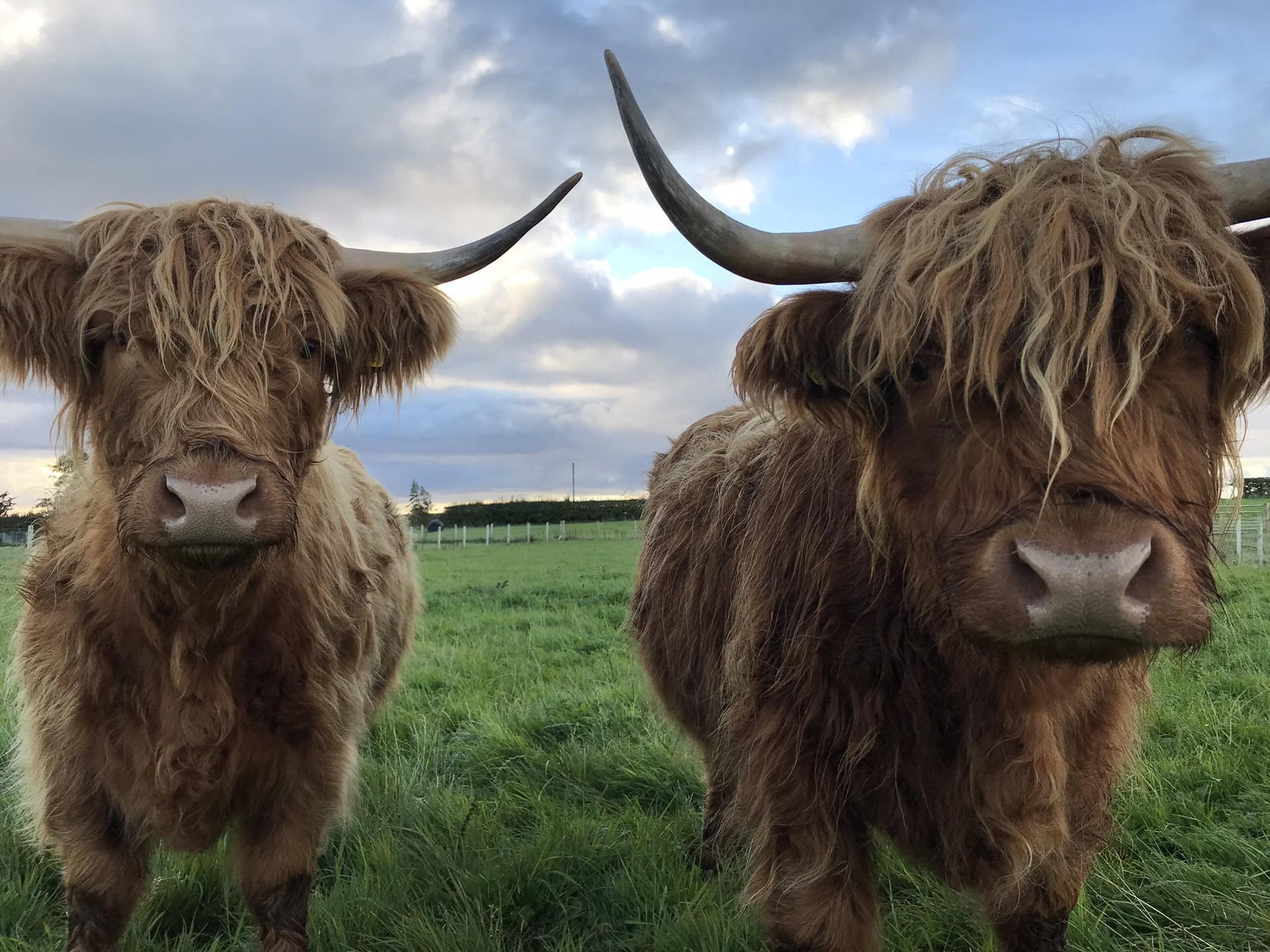
In the heart of rural Ayrshire, our small farm is part of a growing movement reshaping the future of agriculture—regenerative farming. Rooted in the principles of soil health, biodiversity, and community resilience, regenerative farming goes far beyond sustainability: it seeks to actively restore ecosystems, sequester carbon, and heal the land while feeding people real, nourishing food.
As producers of pasture-raised eggs, beef, and lamb, we’ve seen firsthand how this approach transforms not only our land but our animals, our customers, and the community we serve.
What is Regenerative Farming?
Regenerative farming is an agricultural philosophy and practice that mimics nature’s systems rather than controlling or extracting from them. It goes beyond reducing harm—its goal is to improve soil structure, increase biodiversity, boost water retention, and ultimately regenerate the land for future generations.
At its core are several interconnected principles:
- Minimising soil disturbance through reduced tillage or no-till methods
- Maximizing plant diversity to encourage healthy microbial life and pest resistance
- Integrating animals in ways that benefit the land
- Covering bare soil to prevent erosion and encourage carbon sequestration
- Continual improvement based on observation and learning from nature
Why We Chose the Regenerative Path
Conventional farming in Scotland, like much of the UK, has long relied on chemical inputs, monocultures, and industrial methods. But these practices are unsustainable. Soil degradation, water pollution, biodiversity loss, and rural depopulation are signs that the system is failing. We knew there had to be a better way.
Our decision to adopt regenerative practices came from both a sense of stewardship and a desire to produce the highest-quality food possible. Rather than forcing the land to produce, we asked: what does the land need in order to thrive?
The answer led us to rotational grazing, biodiversity planting, composting, and natural animal husbandry—all of which now form the foundation of our farm.
Pasture-Raised Eggs, Beef, and Lamb: A Natural Partnership
Animals are not the problem—they’re part of the solution, when managed regeneratively.
- Our laying hens live outdoors in mobile coops and are rotated frequently across pasture. They scratch, peck, and fertilize the soil naturally, all while producing nutrient-rich eggs with golden yolks that reflect their diverse diet. The result is not only healthier hens but healthier land.
- Our cattle and sheep are rotated through paddocks in carefully timed cycles. This mimics the natural movement of wild herbivores, encouraging deep root growth, spreading manure, and preventing overgrazing. Each move gives the pasture time to recover and strengthens the soil below.
This multi-species approach not only spreads risk and increases productivity, but also helps break pest and disease cycles—no chemicals required.
Soil Health: The Foundation of It All
Healthy soil is the heart of regenerative farming. When you focus on building soil organic matter, everything else improves—water retention, plant health, resilience to drought, and carbon capture.
In Ayrshire, where the weather is often wet and changeable, soil structure is especially important. Our practices have significantly reduced runoff and erosion. Instead of washing away nutrients, our soil now absorbs and holds water like a sponge—feeding both plants and animals more efficiently.
We’ve stopped thinking of soil as “dirt” and started treating it as a living, breathing ecosystem—home to billions of microbes that support plant and animal life.
Benefits for the Climate and the Community
Regenerative farming doesn’t just produce good food—it builds climate resilience. Healthy soil captures atmospheric carbon, storing it where it belongs. On our farm, that means every blade of grass is a solar panel, drawing down CO₂ and transforming it into rich biomass and healthy meat and eggs.
The benefits ripple outwards. Our customers get local, nutrient-dense food they can trust. Our community benefits from land that supports wildlife, pollinators, and clean waterways. And rural livelihoods are sustained through work that’s meaningful and future-focused.

